Elegant Watercolor Florals for Wedding & Invitation Design
There’s a timeless quality to hand-painted watercolor art that digital tools often struggle to replicate. The soft washes of color, the delicate bleeds where one hue meets another, and the organic, slightly imperfect lines of hand-drawn petals bring a level of authenticity and warmth to any project. This is particularly true for something as personal as a wedding, where every detail contributes to the story a couple wants to tell. A beautifully crafted watercolor flower frame serves as more than just a border; it becomes the visual heartbeat of an invitation, setting a tone of romance, elegance, and natural beauty before a single word of the invitation text is even read.
The Allure of Hand-Painted Floral Elements
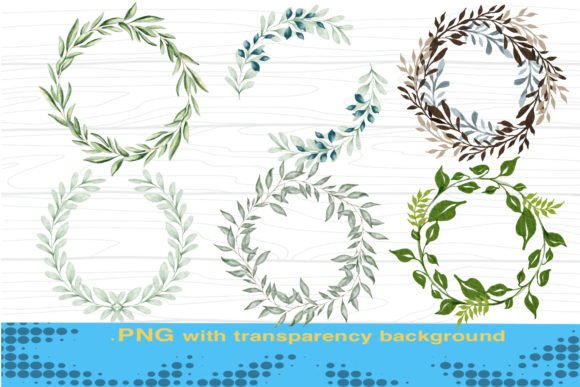
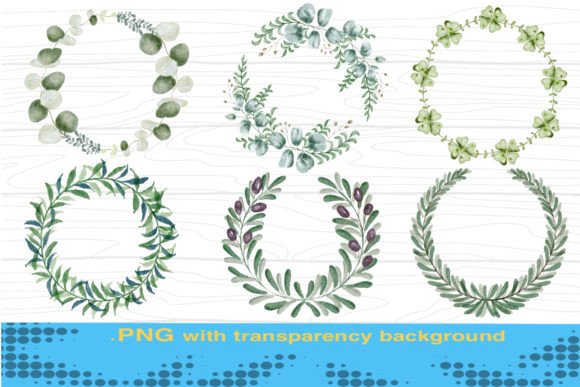
What makes a watercolor flower illustration so compelling is its inherent versatility and emotional resonance. Unlike rigid, perfectly symmetrical digital graphics, hand-painted elements carry the artist's touch. Each brushstroke adds character, and the subtle transparency of the watercolor medium creates depth and lightness. When these elements are provided as high-resolution PNG files with a transparent background, their utility multiplies exponentially. They can be layered over any color, pattern, or texture without the hassle of removing unwanted backgrounds, allowing for seamless integration into a wide array of design contexts.
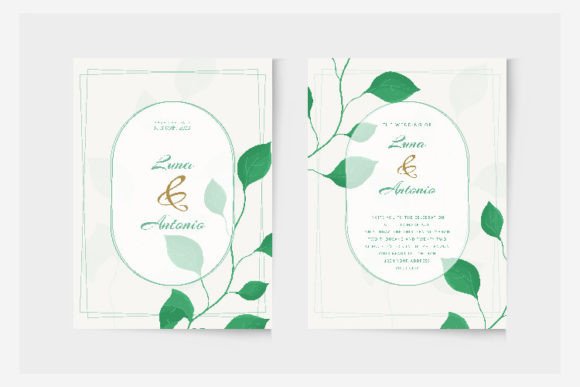
This specific style of floral clip art—soft, cute, and meticulously painted—transcends its initial application. While it’s a perfect fit for a Watercolor Flower Frame Wedding Card, its charm is not limited to matrimonial stationery. The same illustration that frames a couple's names on an invite can be repurposed to create a cohesive brand identity for a boutique florist, a wellness studio, or a high-end bakery. The key lies in understanding the asset's personality and applying it thoughtfully across different mediums to build a recognizable and engaging visual language.
From Invitation Suite to Brand Identity
For a small business owner or entrepreneur, establishing a strong brand identity is paramount. Visual consistency builds trust and recognition. A set of premium watercolor floral elements can become a cornerstone of that identity. Imagine a logo where a single, elegant bloom from the frame is isolated and used as an icon. This icon can then be adapted for social media profile pictures, favicon use, or as a stamp on product packaging.
The applications extend far beyond the logo itself. Consider how these design assets can enhance your marketing and operational materials:
- Packaging Design: Use the floral frame to adorn product labels, boxes, or tissue paper, adding a luxurious, artisanal feel to physical goods.
- Social Media Graphics: Create a consistent and beautiful feed on Instagram or Pinterest by incorporating the florals into post templates, story backgrounds, or highlight covers. The transparent PNG format makes overlaying text simple.
- Website & Blog Elements: Enhance your digital home with custom dividers, header graphics, or featured image frames that align with your brand's aesthetic, improving visual appeal and user experience.
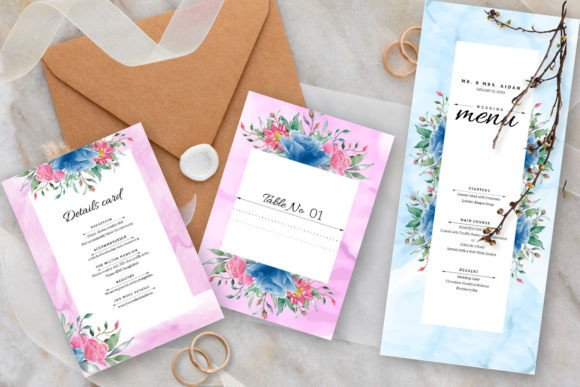
- Print Materials & Stationery: Design cohesive business cards, letterheads, thank-you cards, and promotional posters that all speak the same visual language, reinforcing professionalism.
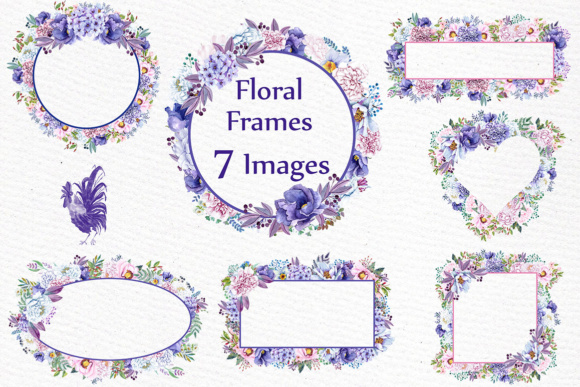
By using the same core floral elements across all touchpoints—from a wedding invitation to a product hang tag—businesses create a unified and memorable brand experience. This consistency signals attention to detail and quality, which can significantly influence customer perception and engagement.
Practical Applications for Creatives and Crafters
Beyond formal branding, the utility of such versatile illustration elements is a boon for content creators, crafters, and hobbyists. The high-resolution 300 dpi quality ensures that the designs remain crisp and clear whether used in a small web banner or printed on a large poster. For those in the creative space, this asset becomes a go-to resource for countless projects.
A blogger writing about wedding planning can use the frames to create Pinterest-worthy graphics for their articles. A graphic designer can incorporate them into editorial layouts for magazines or lookbooks, adding a soft, artistic accent to page compositions. For crafters, the possibilities are nearly endless: think custom scrapbook page borders, unique gift wrapping paper patterns, or personalized birthday card designs. The floral elements can even be used in textile design for patterns on fabric for pillows or table runners, or in cosmetic packaging to appeal to an audience that values natural, elegant aesthetics.
The transparent background is particularly crucial for these applications. It allows the artist or crafter to experiment freely, placing the watercolor blooms over dark backgrounds for dramatic contrast or layering them with other design elements without technical constraints. This flexibility empowers creativity, enabling both professionals and hobbyists to produce polished, professional-looking results without needing advanced technical skills in image editing.
Integrating Artistic Assets into Your Workflow
When incorporating a new set of design assets like watercolor floral elements, a strategic approach yields the best results. Start by defining the core mood and color palette of your project or brand. Do the soft pinks and greens of these florals align with your vision? If so, you can begin building a visual system around them.
For typography pairing, consider the nature of the illustrations. Their delicate, organic forms often pair beautifully with clean, modern sans-serif fonts for a balanced look, or with elegant serif fonts for a more traditional, romantic feel. A handwritten script font can also complement them well, but ensure it remains legible, especially for body text. The goal is to create harmony, not competition, between the type and the artistic elements.
Always test your designs in context. How does the watercolor flower frame wedding card design look both on a digital screen and in a printed proof? Does the floral logo remain recognizable when scaled down to the size of a favicon? Does the pattern work for both a social media graphic and a physical product label? By considering these real-world applications during the design process, you ensure that your beautiful assets also serve a functional purpose, enhancing communication rather than just decorating it.
Ultimately, a well-chosen set of artistic design elements is an investment in your project's visual narrative. It provides a cohesive toolkit that can elevate everything from a personal craft project to a comprehensive business brand, infusing it with a sense of artistry, care, and timeless beauty that resonates with audiences. The true value lies not just in the asset itself, but in the creative and professional possibilities it unlocks.