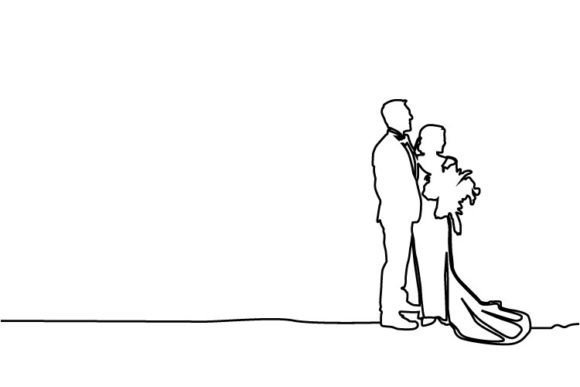
Abstract Line Art Couple Wedding Design: Modern Elegance for Every Project
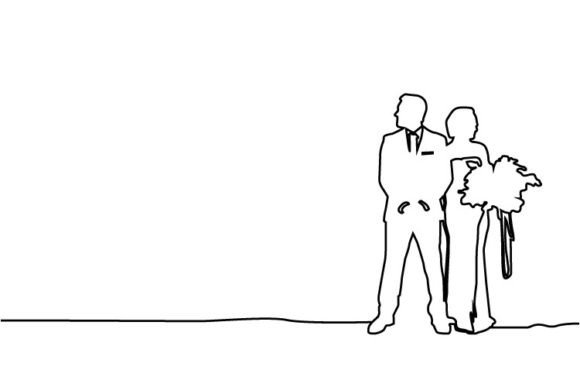
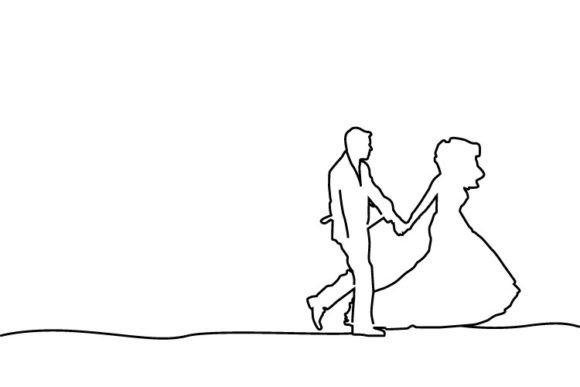
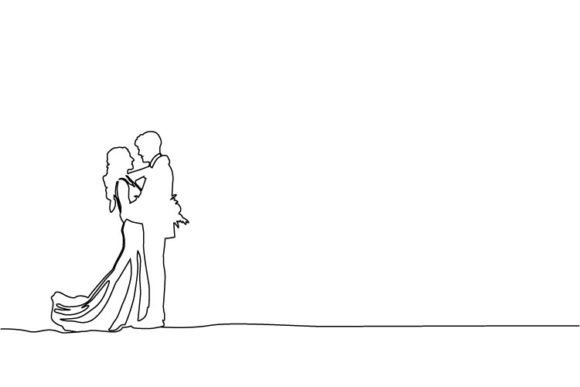
There’s a certain magic in simplicity. A single, continuous line that captures the curve of a cheek, the tilt of a head, or the gentle intertwining of two hands. This is the essence of the Abstract Line Art Couple Wedding Design—a visual style that distills the emotion of a wedding into its most elegant, minimalist form. For designers and creatives, this isn’t just another pretty illustration; it’s a versatile asset that speaks volumes with quiet confidence. Whether you’re crafting a brand identity for a wedding planner, designing social media content for a jewelry line, or creating beautiful printed materials for a client, this style offers a modern, sophisticated foundation that feels both timeless and fresh.
Why This Style Resonates Across Modern Design
The appeal of abstract line art lies in its ability to be both specific and universal. It doesn’t depict a hyper-realistic portrait, which can sometimes feel overly personal or dated. Instead, it captures the *feeling* of connection, romance, and partnership. This makes it incredibly adaptable. A line art couple illustration can be used for a luxury lingerie brand as easily as for a rustic wedding blog. Its clean aesthetic integrates seamlessly into various design contexts, from minimalist web layouts to textured print packaging, without overwhelming other elements. The style aligns perfectly with current trends in modern typography and design assets that favor negative space, organic shapes, and understated sophistication over loud, cluttered graphics.
From Digital Screens to Physical Keepsakes
The true power of a well-executed design element is its fluidity between mediums. This is where having the right file formats—like the provided Ai, Eps, Png, Jpg, and Svg—becomes crucial. An Svg file ensures your line art scales perfectly for a large-format poster or a tiny favicon without losing clarity. A high-resolution Png with a transparent background is ideal for layering over textures or photos in social media graphics. An editable Ai or Eps file gives you the freedom to adjust stroke weights, modify colors, or isolate elements to create custom logo design variations. This flexibility transforms a single illustration into a complete toolkit for branding, packaging design, and editorial layouts.
Practical Applications That Build Brand Identity
Let’s move beyond theory. How can you actually use this abstract line art couple design to create tangible value? Think of it as a core visual asset for your brand identity system.
- For Wedding & Event Professionals: Use it as the cornerstone of your logo design. A simplified version can become a watermark on contracts, a foil-stamped detail on business cards, or the central motif on a website hero section. It instantly communicates elegance and focus.
- For Product Packaging & Merchandise: Imagine this line art etched on a candle glass, printed on a silk scarf, or embossed on a jewelry box. It adds a premium, artisanal feel that elevates the unboxing experience. It works beautifully as a standalone pattern or as a subtle accent.
- For Content Creators & Bloggers: Break up long-form articles with elegant section dividers. Create a series of cohesive Pinterest pins or Instagram story templates. The illustration can serve as a consistent visual thread across your digital presence, strengthening brand recognition.
- For Marketing & Editorial Design: Use it in the background of a quote graphic, as a header illustration for a newsletter about relationships or lifestyle, or as a decorative element in a lookbook. Its simplicity ensures it supports your message without competing with text.
The key is consistency. By using this same visual language across your website, social media graphics, print materials, and even internal documents, you create a cohesive and professional presentation. This visual consistency is what helps audiences subconsciously recognize and remember your brand.
Integrating with Typography and Other Elements
A stunning illustration can fall flat if paired with the wrong typeface. The delicate, flowing nature of line art pairs best with specific font styles. For a harmonious look, consider a serif font with elegant, thin strokes or a sans serif font that is clean and geometric. A script font can add a touch of romance, but choose one that is legible and not overly ornate to avoid a visual clash. The goal is font pairing that complements, not competes.
Test your combinations. Place your chosen premium font alongside the line art. Does the weight balance? Is there enough breathing room? Often, letting the illustration be the hero and using typography in a supporting role—perhaps in a neutral color and smaller size—creates the most sophisticated layout. This principle applies whether you're working on a web design mockup, a packaging design dieline, or an editorial design spread.
A Note on Practicality and Licensing
Before you dive into a project, always review the licensing of your design assets. The provided files are typically for commercial use, but it’s your responsibility to understand the terms. Can you use them in unlimited end products for clients? Are there restrictions on print-on-demand merchandise? Knowing this upfront prevents legal headaches later. Furthermore, while the files are versatile, always test readability. Will the fine lines of the illustration reproduce clearly on textured paper? Does the Jpg compression affect quality at 100% zoom? A quick test print or prototype is a designer’s best friend.
In the end, an Abstract Line Art Couple Wedding Design is more than just a decorative element. It’s a strategic tool. It offers a way to communicate complex emotions—love, partnership, commitment—with clarity and style. For the small business owner, it’s a shortcut to a polished, high-end aesthetic. For the designer, it’s a foundational piece that sparks creativity and ensures projects look cohesive and considered. By understanding its strengths and pairing it thoughtfully, you can harness its quiet power to make your work not only seen, but felt.