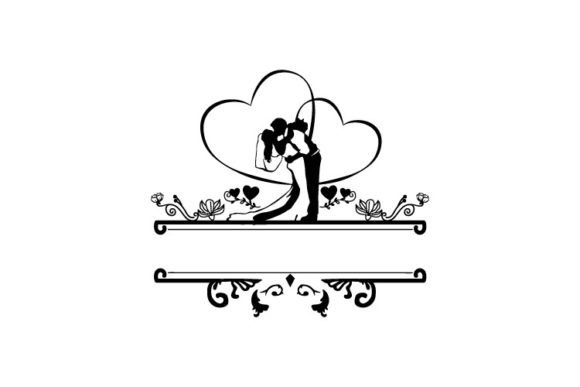
Wedding Silhouette Couple Retro Banner: A Designer's Nostalgic Toolkit
There's a particular kind of charm in a well-crafted silhouette. It strips away detail to reveal the essential, emotional form of its subject. When that subject is a couple, and the style is retro, you get something truly special: a design element that feels both timeless and deeply personal. This is exactly what you'll find in the Wedding Silhouette Couple Retro Banner design package. It’s more than just a clipart set; it’s a versatile visual language for projects that need to communicate elegance, romance, and a touch of vintage sophistication.
This collection isn't just about a single image. It’s a comprehensive design asset built for real-world application. You receive the files in multiple formats—Ai, Eps, Png, Jpg, Svg—ensuring you can seamlessly integrate the artwork into any workflow, whether you're refining a vector logo in Adobe Illustrator or placing a high-resolution banner on a wedding website. The retro aesthetic, characterized by its classic lines and often paired with complementary typography, gives your work an instant narrative quality, suggesting heritage, care, and authenticity.
Beyond the Wedding Invite: Versatile Applications
While the name suggests a specific use, the potential of this design element stretches far beyond a single event. Think of the silhouette couple as a storytelling device. For a small business owner crafting a brand identity for a boutique bakery, a vintage jewelry shop, or a specialty gift store, this graphic can become a cornerstone of your logo. It instantly communicates a focus on craftsmanship, personal service, and timeless appeal. It’s a powerful alternative to generic icons, offering a human connection that resonates with customers.
For content creators and marketers, the retro banner is a goldmine for social media graphics and blog headers. Imagine a Pinterest pin for a "Vintage Wedding Inspiration" board, or an Instagram story highlighting a couple's anniversary. The design provides a ready-made, professional aesthetic that elevates your content. It ensures visual consistency across your digital platforms, helping to build brand recognition. Your audience will start to associate that classic, elegant style with your curated content, strengthening your online presence without requiring a new design from scratch for every post.
The practical applications extend into print with stunning results. Consider the impact on packaging design. A small candle company could use the silhouette on a belly band for its boxes, or a artisan soap maker could feature it on a product label. It transforms simple merchandise into a thoughtful gift item. For event planners and stationery designers, the assets are invaluable for creating cohesive suites of materials: from the main invitation and RSVP card to day-of signage, menu cards, and thank you notes. The retro style provides a unified theme that feels intentionally designed and luxurious.
Integrating Retro Aesthetics into Modern Branding
The key to using a strong design element like the Wedding Silhouette Couple Retro Banner effectively is integration, not just decoration. It should feel like a natural part of your project's visual system. This starts with font pairing. The retro style often pairs beautifully with classic serif fonts for a traditional feel, or with clean, geometric sans-serif fonts for a modern twist. The goal is to create a dialogue between the imagery and the typography. For example, pairing the silhouette with a elegant script font for a wedding invitation creates a romantic, flowing hierarchy. Using it with a bold, condensed serif for a poster can create a striking, editorial look.
When applying this to your own projects, think about the message you want to send. The silhouette's strength lies in its universality and emotion. It’s perfect for projects centered on love, partnership, family, celebration, and heritage. It can add a layer of warmth to a financial advisor's "family planning" brochure, or a sense of community to a local theater's production of a classic play. The design asset becomes a tool for visual communication that transcends literal interpretation.
From a practical standpoint, the variety of file formats included is a significant advantage for maintaining professional standards. The vector files (Ai, Eps, Svg) are essential for any design that needs to scale, like a logo or large-format print. They allow you to edit colors and resize without any loss of quality. The high-resolution raster files (Png, Jpg) are perfect for digital use, social media, and standard print jobs where quick implementation is key. This flexibility saves you time and ensures your final product looks crisp and professional, whether it's on a business card or a billboard.
Making the Most of Your Design Asset
To truly leverage this kind of premium design asset, consider it part of your broader toolkit. It can serve as the starting point for a complete brand identity. Pull the color palette from the retro banner to define your brand colors. Use its stylistic approach to inspire other design elements, like borders, dividers, or icons. This creates a cohesive ecosystem for your brand that feels curated and intentional.
For those in the business of selling designs or creating merchandise, the commercial licensing that typically comes with such assets is crucial. It allows you to legally incorporate the artwork into products you sell, from printed stationery to digital templates. This turns a design purchase into a potential revenue stream, offering a clear return on investment. Always review the specific license terms to understand your usage rights fully.
Ultimately, the value of the Wedding Silhouette Couple Retro Banner lies in its ability to evoke a feeling. It’s a shortcut to creating designs that feel established, heartfelt, and visually compelling. In a digital landscape saturated with fleeting trends, the retro silhouette offers a connection to a more enduring aesthetic. It’s a practical, beautiful, and versatile tool for anyone looking to add depth and narrative to their visual projects, proving that sometimes, the most powerful design is the one that suggests more than it shows.